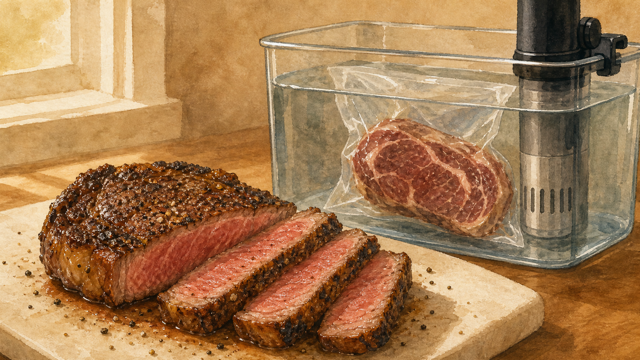
Beef
Ribeye & Strip Steaks
Ribeye and strip steaks cooked evenly from edge to edge, then finished in a hot pan for a deeply savory crust.
View guide1 recipe
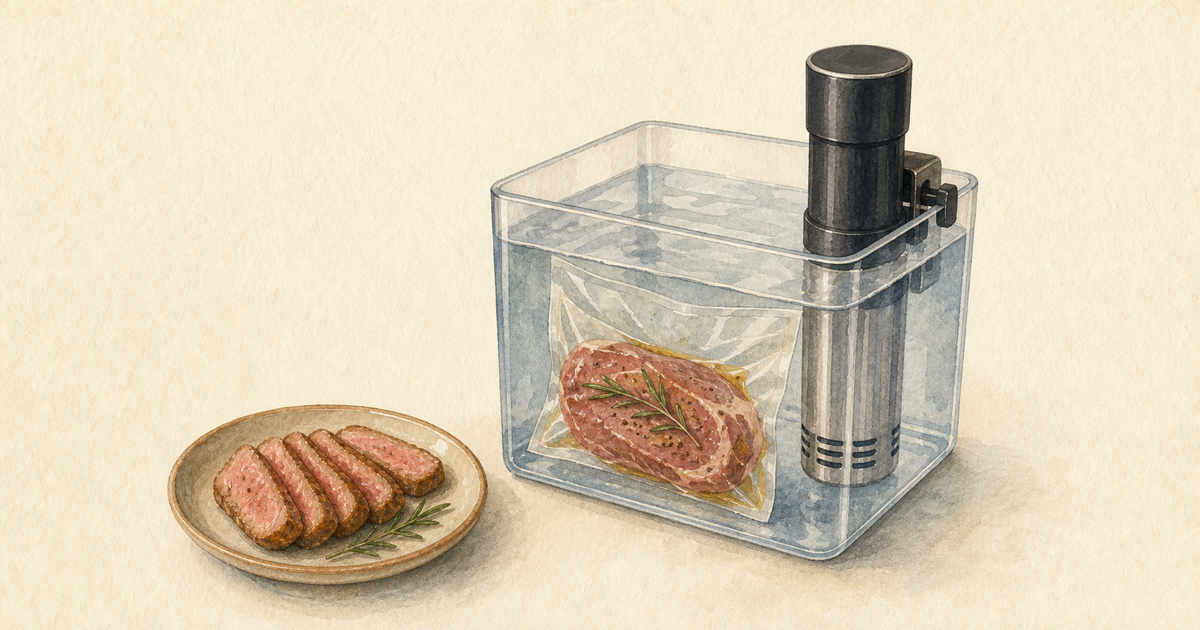
From the bath to the plate
Find the right temperature, timing, texture, and finish for whatever is in your kitchen.
New to sous vide?
Fill the container, start the circulator, and choose the temperature that suits the food and the finish you want.
Season and bag the food, lower it into the water, and let the steady heat bring the center to the right texture.
Dry the surface, add a quick sear for color and crust, and bring the dish straight to the table.
Browse by food
Choose a food and get the temperature, timing, texture, and finishing ideas in one place.
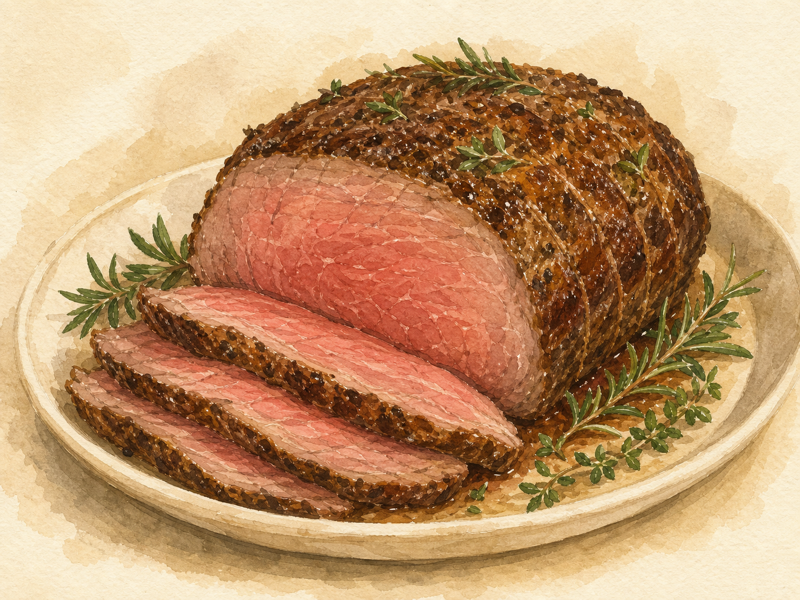
Steaks, roasts, brisket, and short ribs, from a rosy center to a deep, slow-cooked finish.
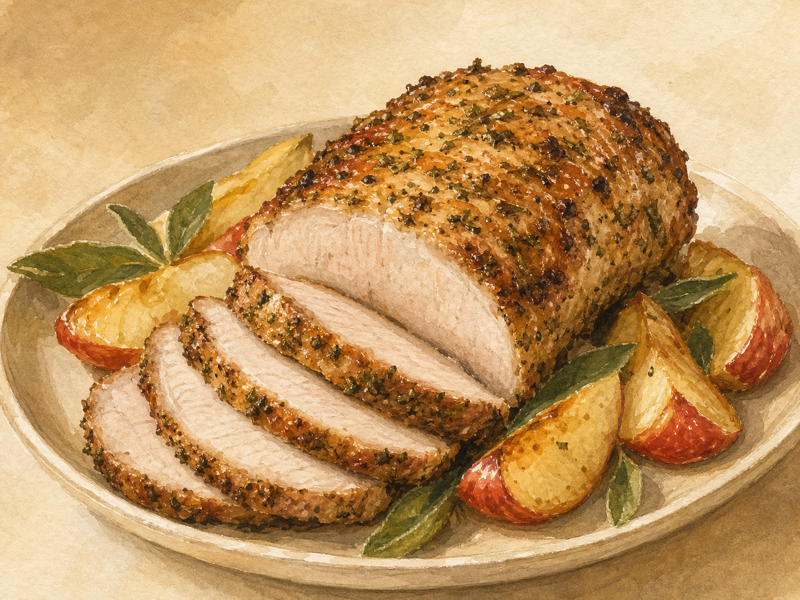
Chops, ribs, shoulder, belly, and sausage, with the bath time and hot finish each cut deserves.
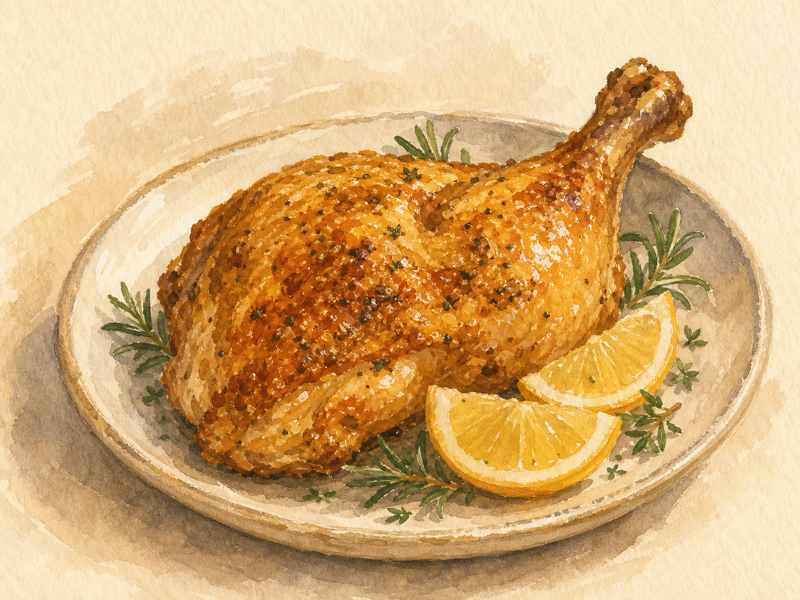
Breast, thighs, wings, and whole birds with juicy texture, browned finishes, and clear safety checks.
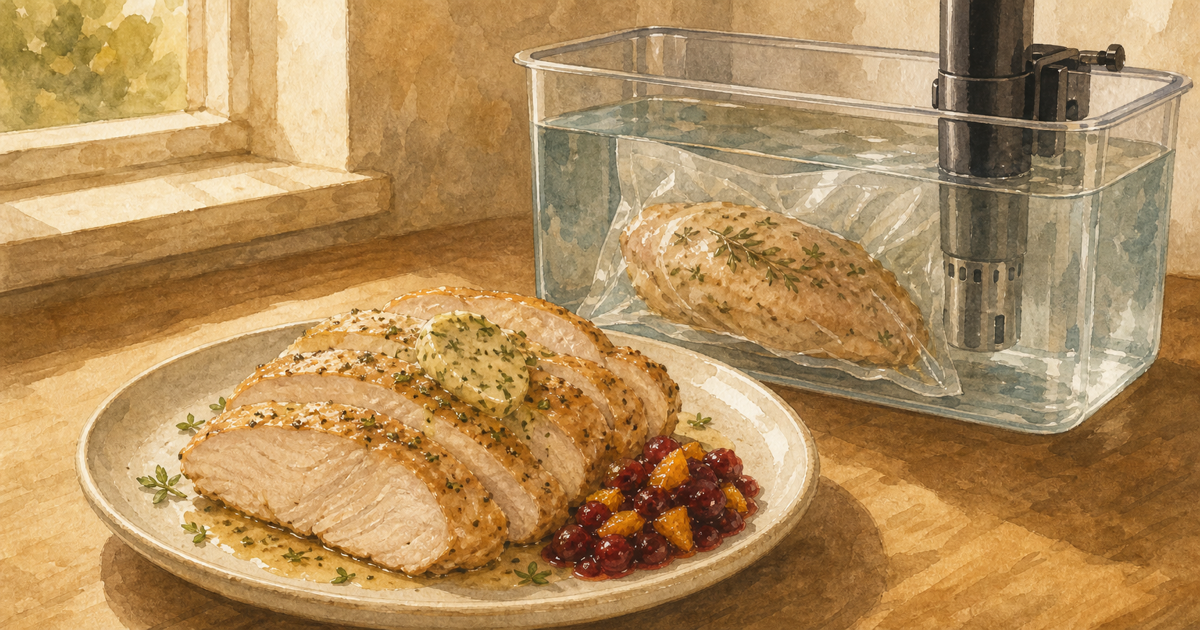
Turkey breast, legs, and thighs with tender centers, savory seasoning, and a browned finish.
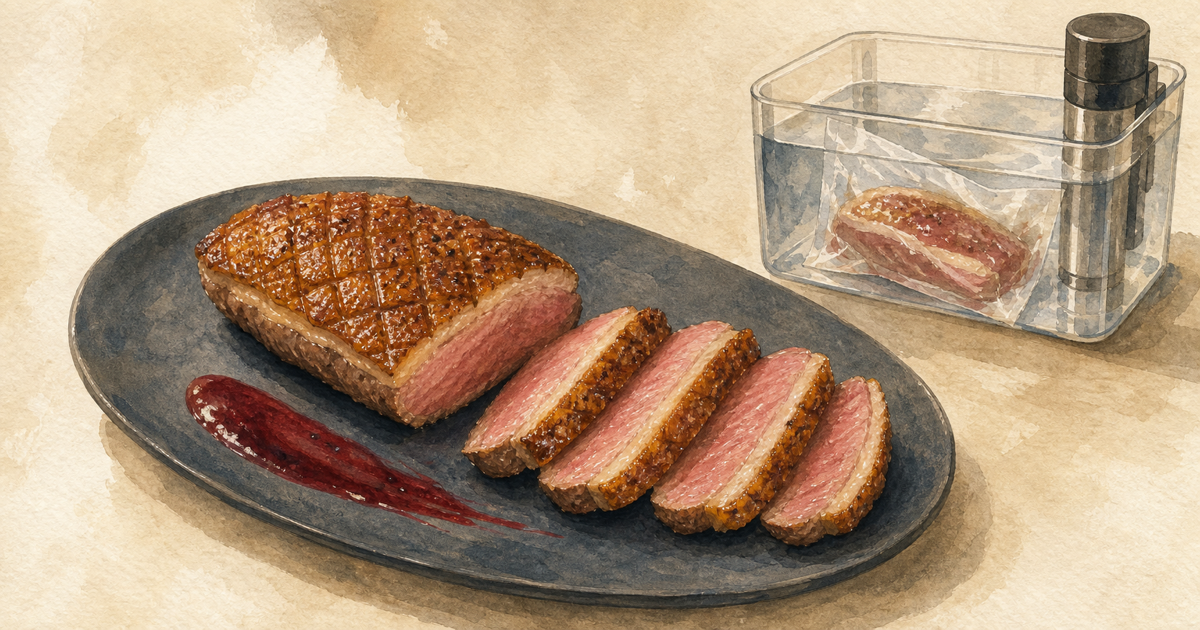
Duck breast and legs with rendered skin, tender meat, and sauces that belong on the plate.
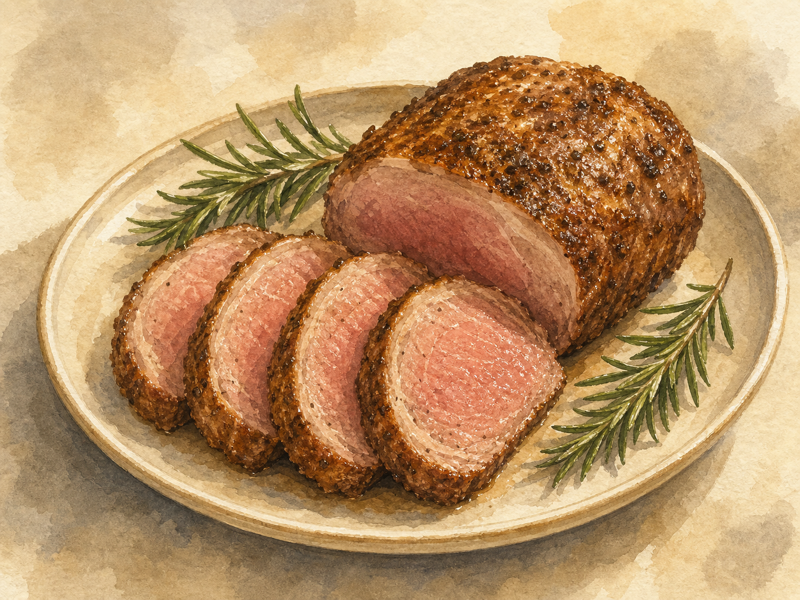
Lamb chops, leg, shoulder, and shanks, from rosy slices to spoon-tender braise texture.
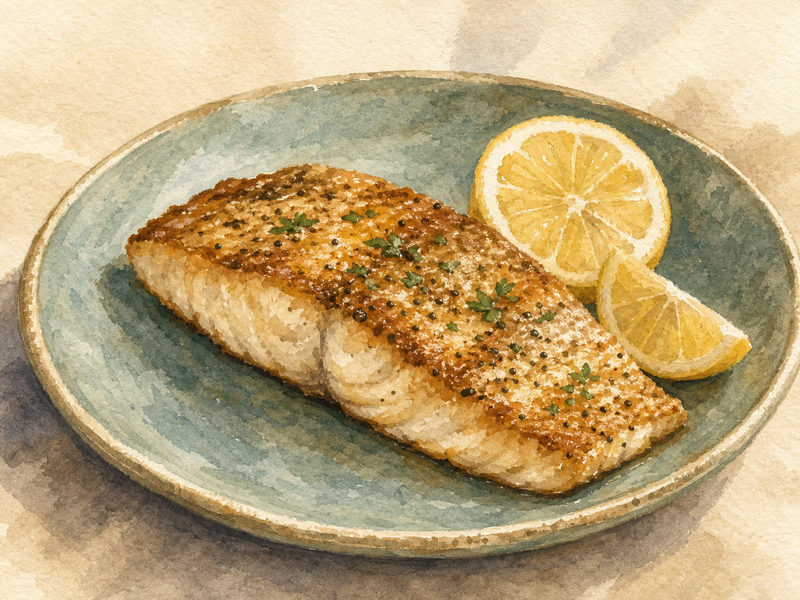
Salmon, cod, tuna, and delicate fillets with clean flakes, gentle heat, and a bright finish.
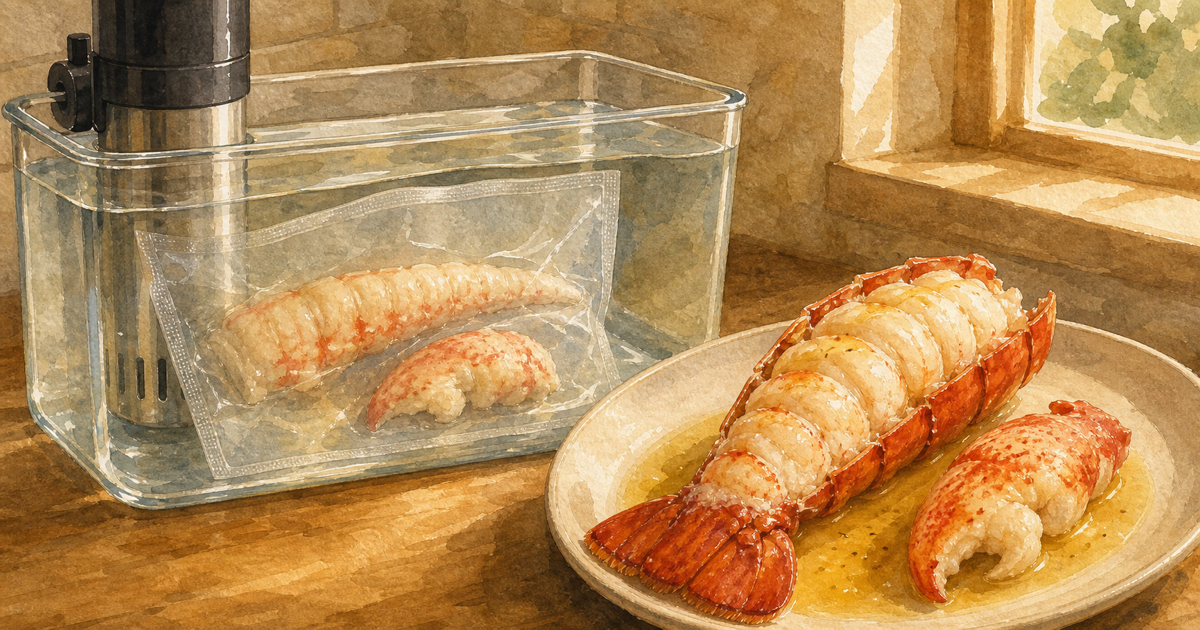
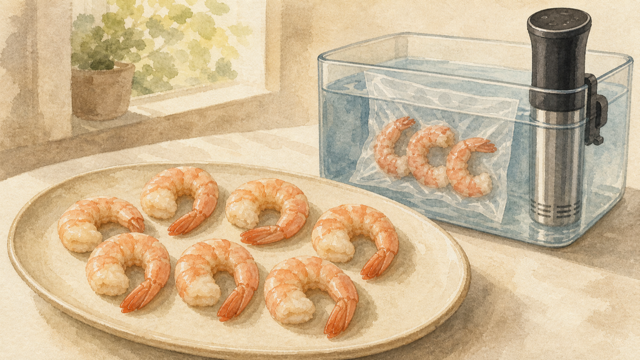
Lobster, shrimp, and scallops with a tender bite and a quick finish of butter, herbs, or citrus.
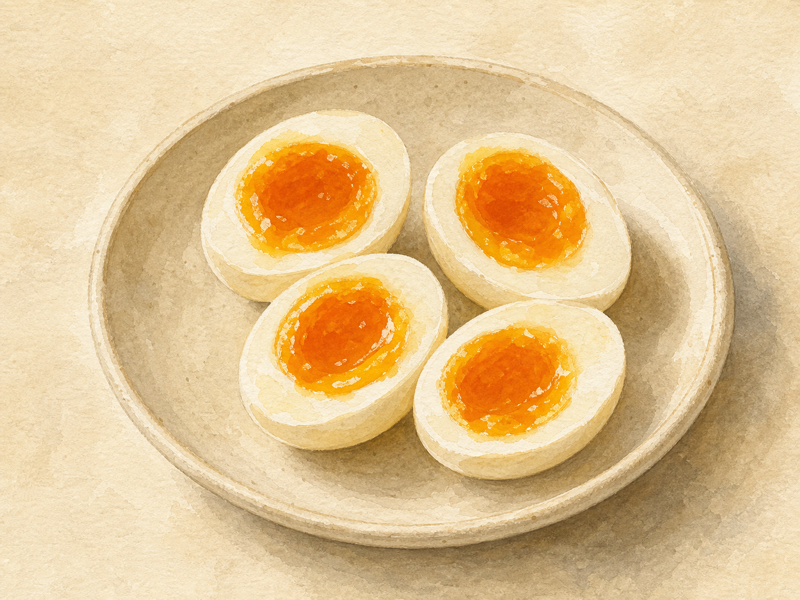
Custards, poached eggs, and soft-set eggs with the yolk and texture you want.
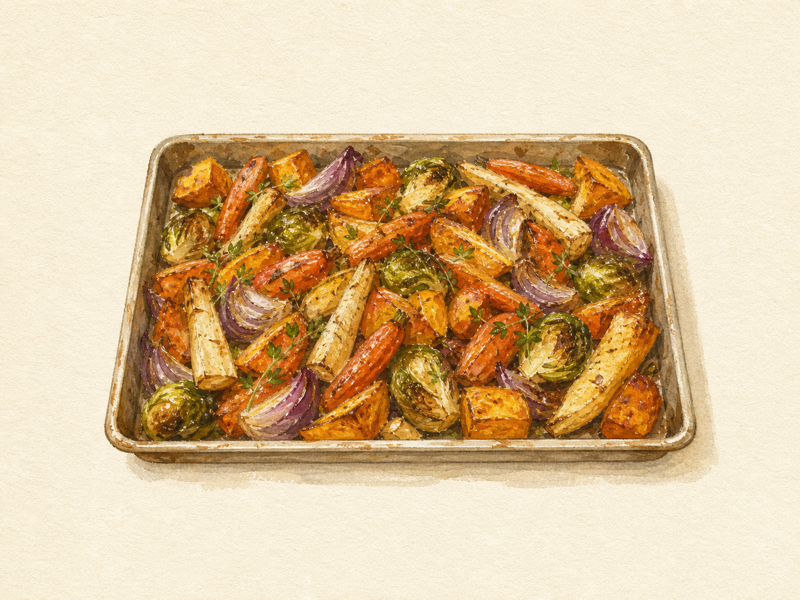
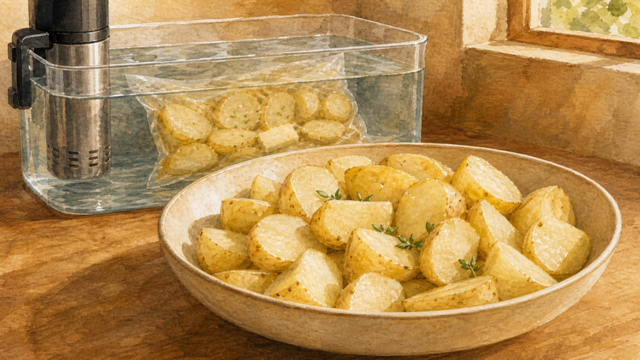
Roots, greens, asparagus, and more with vivid color, tender centers, and a little bite.
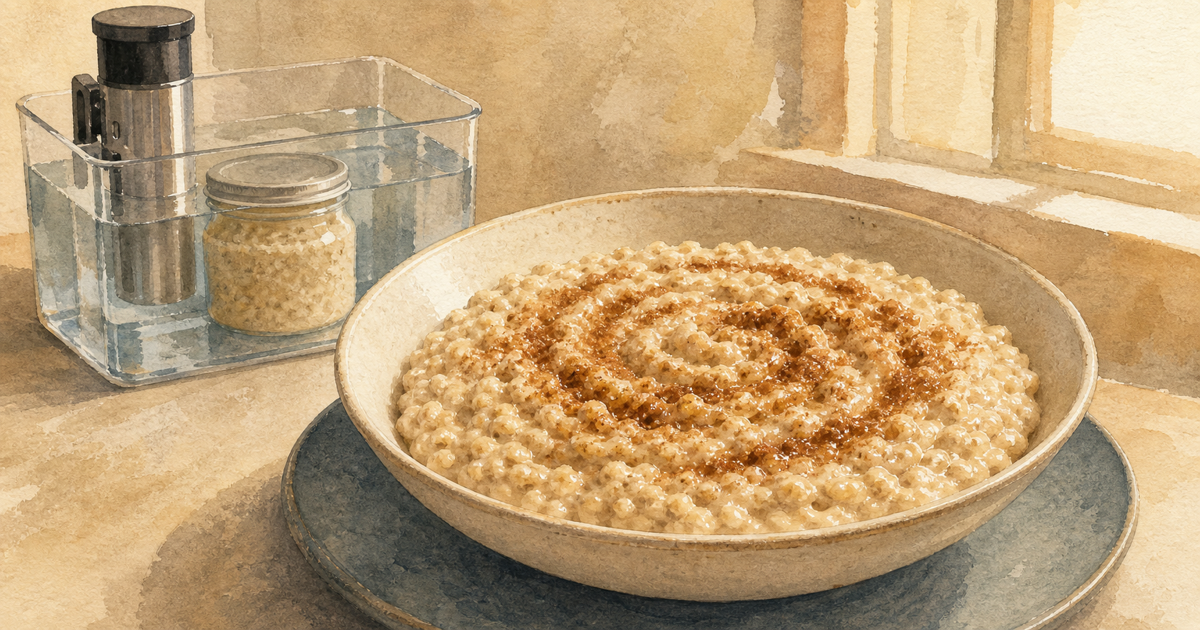
Risotto, oatmeal, and other grains with creamy texture and a hot finish at the stove.
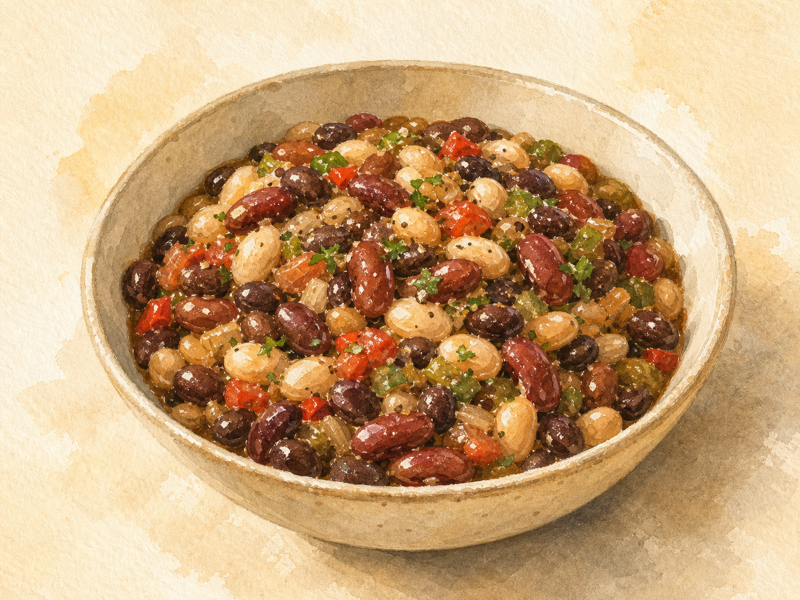
Beans and legumes cooked evenly, seasoned deeply, and finished with the texture the dish needs.
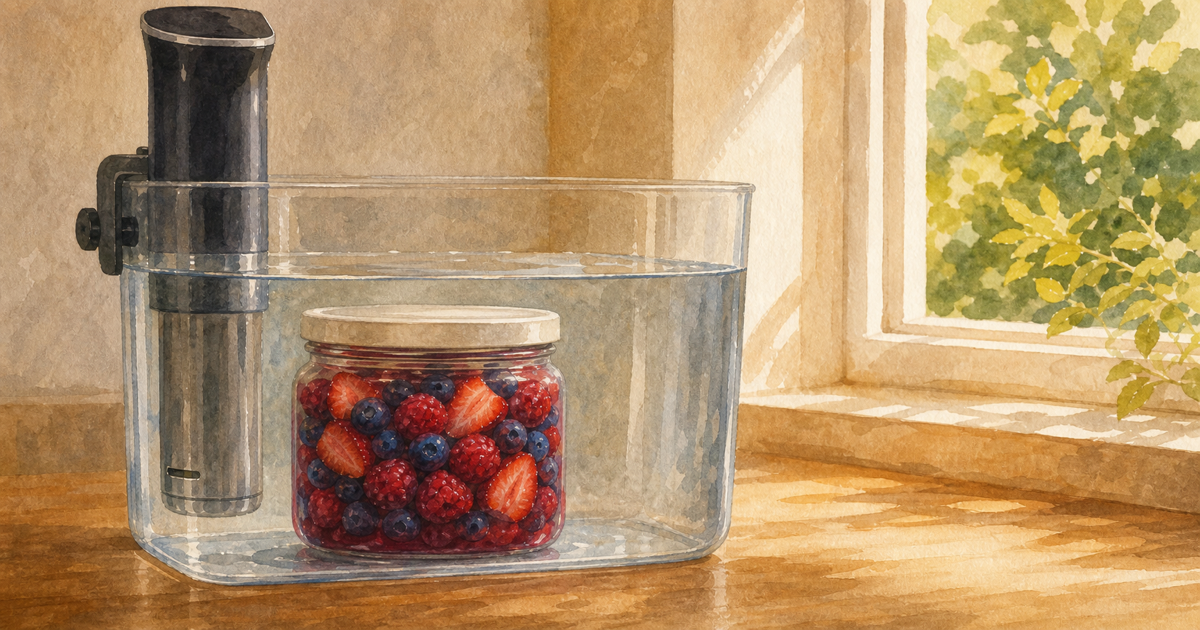
Pineapple, berries, and stone fruit warmed until fragrant, juicy, and ready for dessert.
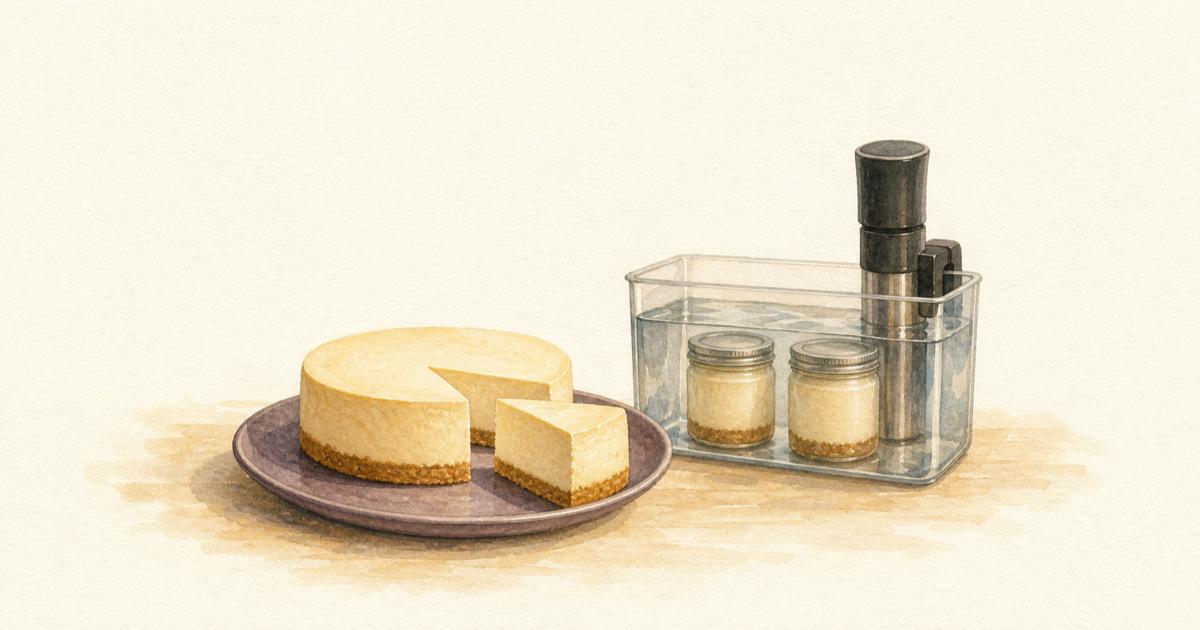
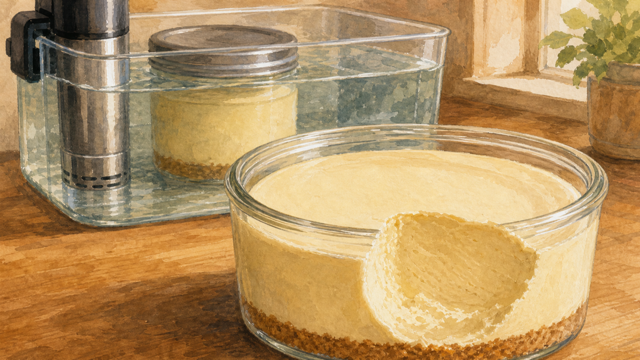
Custards, cheesecake, crème brûlée, yogurt, and chocolate with a cool, creamy set.
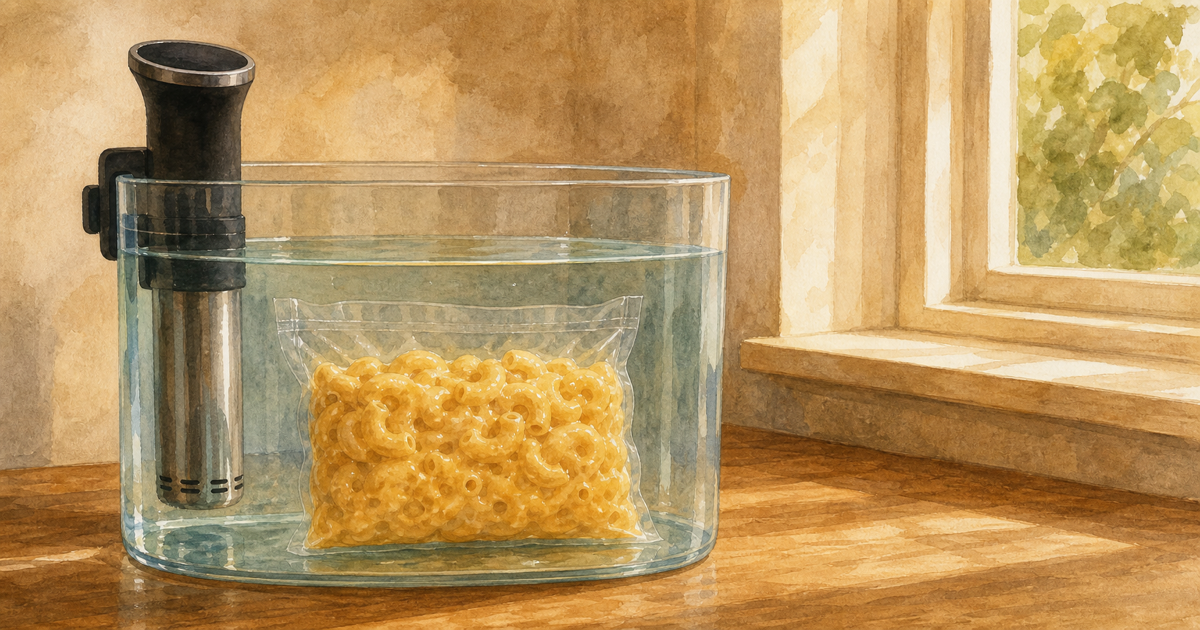
Mac and cheese and other sides with a creamy center, a hot finish, and clear serving limits.
Start here
Open a food guide for the time and temperature, then follow its prep and finishing notes all the way to the plate.
Ribeye and strip steaks cooked evenly from edge to edge, then finished in a hot pan for a deeply savory crust.
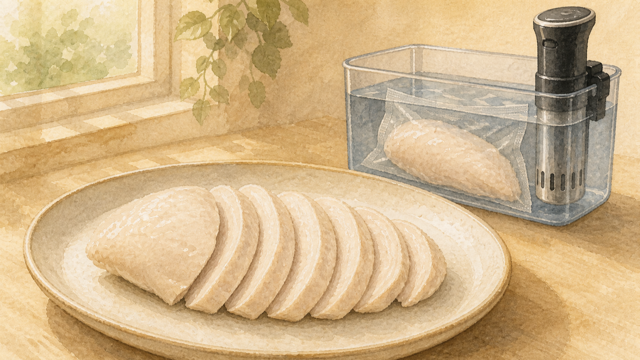
Chicken breast with a silky, juicy center, ready for a quick sear, pan sauce, or salad.
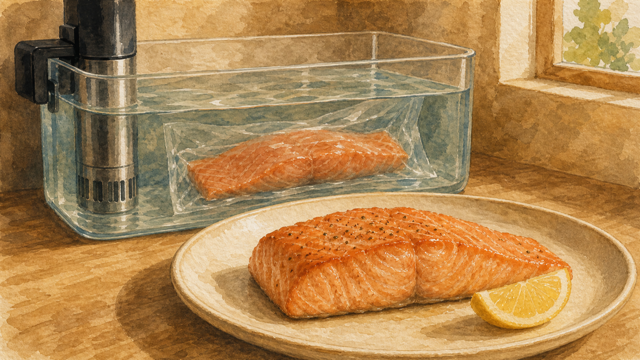
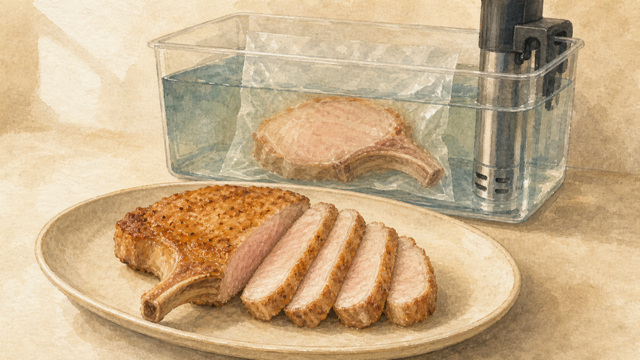
Juicy pork chops with a quick sear and bright apple, mustard, herb, or lemongrass finishes.
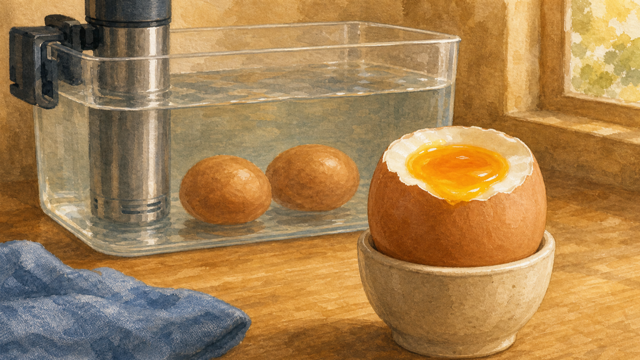
Shell-on eggs with jammy yolks and tender whites for toast, salads, or ramen.
Common Questions